1. Natural Wood Finishes Are Very Popular
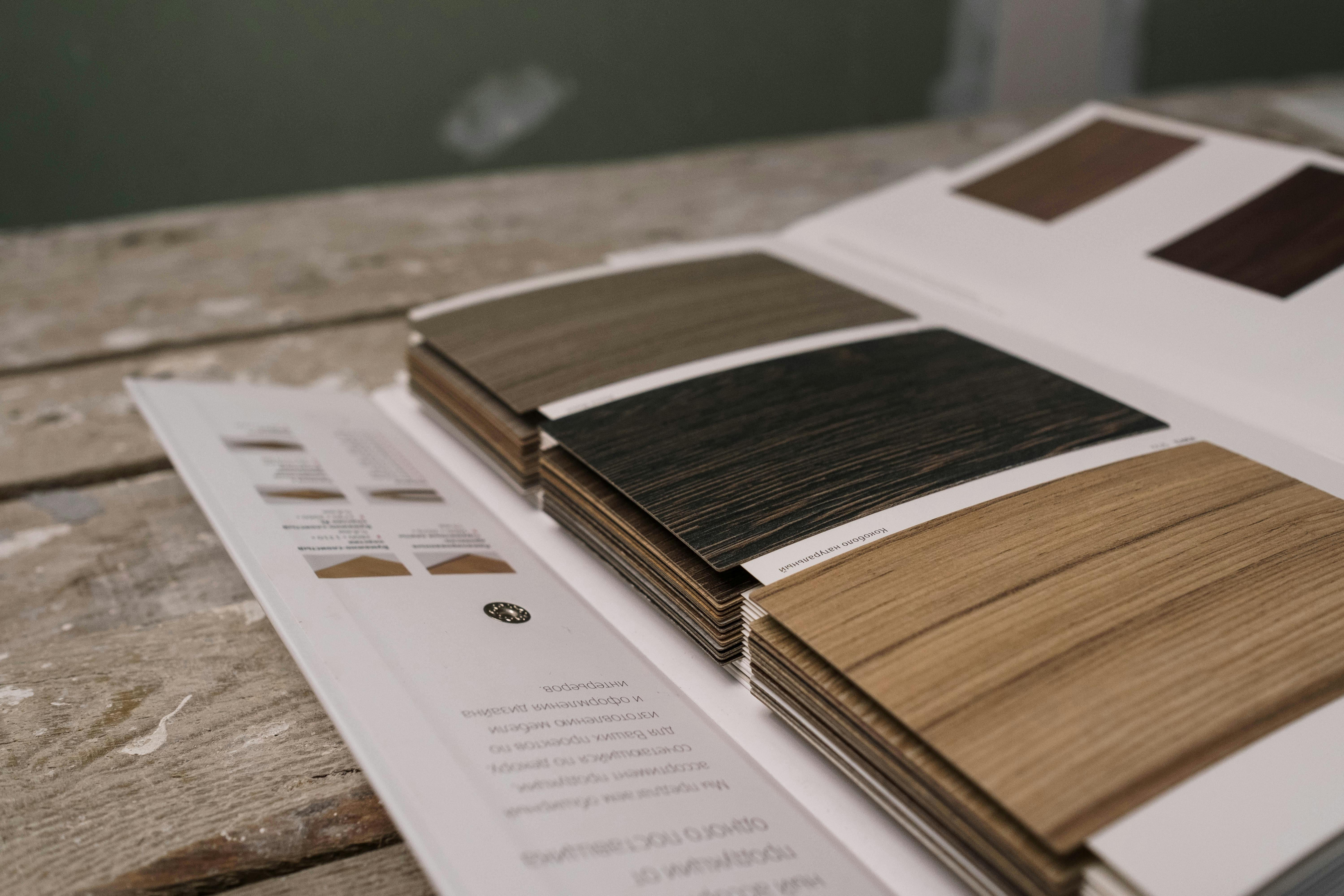
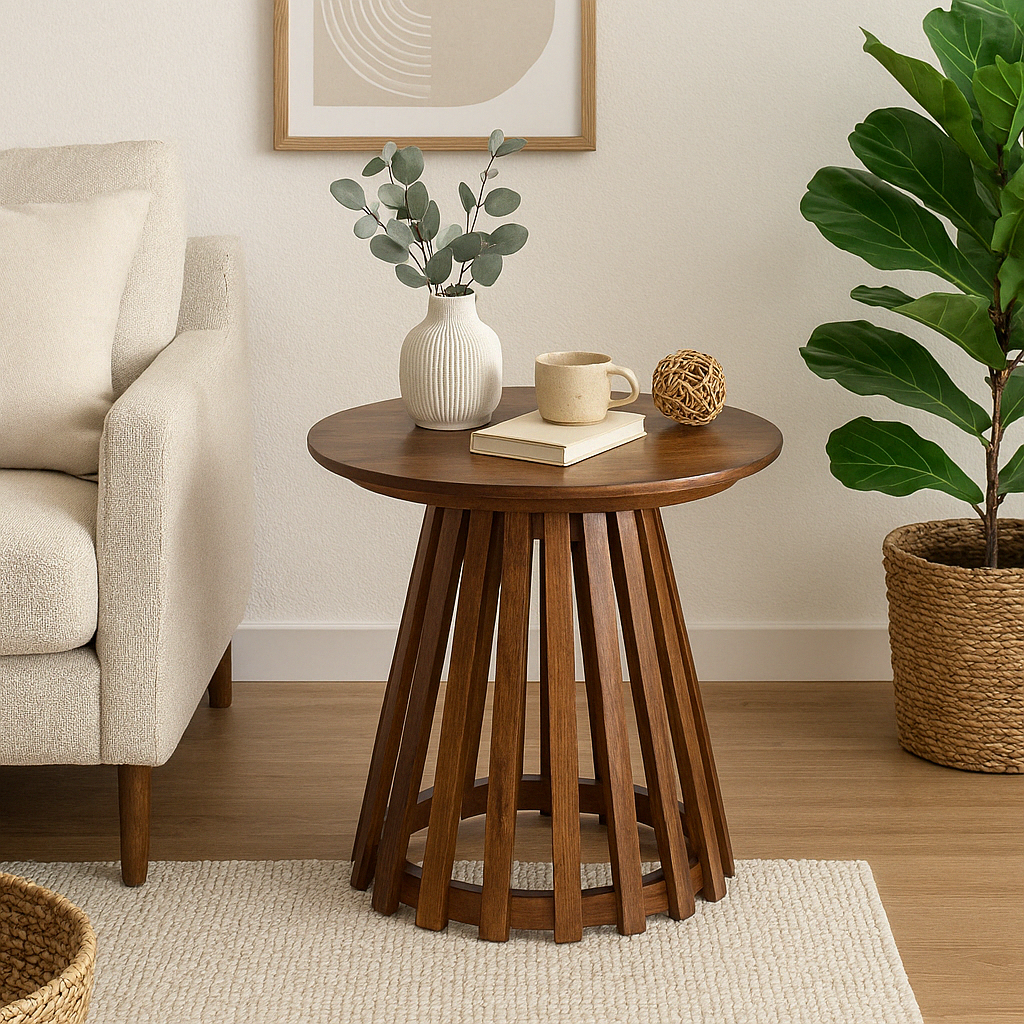
One of the biggest coffee table trends in Europe for 2026 is the growing use of natural wood finishes. Homeowners are increasingly choosing materials like oak, walnut, ashwood, and reclaimed wood because they bring warmth and authenticity into living spaces.
Instead of glossy finishes, people now prefer raw textures, visible wood grains, and handcrafted details. European interiors are focusing more on furniture that feels natural and timeless rather than factory-made. Light oak coffee tables remain highly popular in Scandinavian-inspired homes, while darker walnut finishes are becoming common in luxury interiors across countries like France, Italy, and Germany.
Reclaimed wood coffee tables are also becoming more popular because sustainability is now a major priority for consumers. Buyers want furniture that not only looks beautiful but also supports environmentally responsible choices.
2. Sculptural and Curved Designs
Sharp edges and boxy furniture designs are slowly going out of trend. In 2026, European homeowners are choosing softer and more artistic coffee tables with curved edges and unique shapes.
Oval coffee tables, pebble-shaped designs, and asymmetrical structures are becoming common in modern homes. These shapes create a softer visual look and make living rooms feel more relaxing and welcoming. Interior designers believe curved furniture helps balance rooms filled with straight architectural lines and structured layouts.
Marble tops with curved wooden bases are especially popular in luxury apartments. Many of these tables look more like decorative art pieces than regular furniture. Designers are also experimenting with abstract geometric designs that add character to minimalist interiors.
The popularity of sculptural furniture shows that homeowners now want statement pieces that stand out without making the room feel overcrowded.
3. Multi-Functional Coffee Tables
As homes in European cities become smaller, functionality is becoming extremely important. Multi-purpose coffee tables are one of the strongest furniture trends in Europe for 2026.
People are investing in coffee tables that include hidden storage, extendable surfaces, modular sections, or lift-top designs that can also work as desks or dining spaces. This trend is especially popular in cities like London, Amsterdam, and Copenhagen, where compact apartments require smarter furniture solutions.
Another reason for this trend is the growing preference for clutter-free interiors. Hidden storage compartments help homeowners keep living spaces clean while maintaining a stylish appearance. Furniture that combines practicality with beauty is becoming highly attractive to younger homeowners and apartment residents.
4. Stone and Marble Surfaces
Luxury interiors across Europe are seeing a strong return of stone materials. Marble coffee tables continue to be popular because they create an elegant and timeless appearance.
Travertine, limestone, and textured stone finishes are also becoming more fashionable. Unlike the highly polished marble trends of previous years, 2026 focuses more on natural textures and earthy colors. Beige travertine coffee tables are especially trending because they match warm neutral interiors perfectly.
These materials work beautifully in both modern and vintage-inspired homes. Designers are combining stone tops with wooden or metal bases to create balanced and visually attractive furniture pieces.
Stone coffee tables are popular because they are durable, stylish, and able to elevate the overall look of a living room.
5. Vintage and Retro Influence
Vintage-inspired interiors are making a strong comeback across Europe. Coffee tables inspired by mid-century modern, 1970s, and Art Deco styles are becoming highly desirable among homeowners who want interiors filled with character and charm.
Instead of purchasing overly trendy furniture, many people now prefer timeless pieces with personality. Burl wood coffee tables, retro glass designs, and antique-inspired metal details are becoming increasingly common in modern homes.
European homeowners are also mixing vintage coffee tables with modern sofas and minimalist décor. This combination creates interiors that feel authentic, layered, and naturally styled rather than overly perfect.
The rise of vintage furniture reflects a larger movement away from generic interior design. People now want homes that feel unique and personal.
6. Minimalist Scandinavian Style
Scandinavian design continues to strongly influence European furniture trends in 2026. Clean lines, neutral shades, and simple forms remain highly popular, especially in Northern Europe.
Minimalist coffee tables focus on functionality, quality craftsmanship, and understated elegance. Light wood finishes, soft beige tones, and low-profile designs are common in this style.
However, modern Scandinavian interiors are becoming warmer and more comfortable compared to earlier minimalist trends. Instead of cold and empty spaces, homeowners are now adding textures, layered materials, and handcrafted details to create cozy environments.
7. Mixed Material Designs
Another major trend in 2026 is the use of multiple materials within one coffee table design. Furniture designers are creatively combining wood, glass, marble, metal, and concrete to create visually interesting furniture pieces.
Black metal frames with oak tops remain a classic choice, while newer combinations such as travertine with smoked glass or walnut with brass accents are becoming increasingly fashionable.
These mixed-material coffee tables work especially well in modern interiors because they add texture and depth without making spaces feel crowded.
European homeowners are becoming more interested in furniture that feels artistic and unique instead of plain and repetitive.
8. Earthy and Warm Color Tones
Cool grey interiors are slowly losing popularity across Europe. Warm and earthy tones are replacing cold monochromatic color palettes in 2026.
Coffee tables in shades such as sand, walnut brown, clay, olive, caramel, and terracotta are becoming very fashionable. Designers believe these colors create more relaxing and emotionally warm living spaces.
Textured finishes are also important in this trend. Matte surfaces, brushed wood, and natural stone textures are preferred over glossy and highly reflective materials.
This shift toward earthy aesthetics reflects a growing desire for homes that feel peaceful, grounded, and connected to nature.
9. Personalized Styling and Layered Décor
Coffee tables are no longer decorated with only a candle and a few books. In 2026, European homeowners are creating more expressive and layered styling arrangements.
Designers encourage people to decorate coffee tables with vintage accessories, ceramics, handmade objects, trays, sculptures, and meaningful personal items. The goal is to create a collected and lived-in appearance rather than a perfectly arranged showroom display.
This trend highlights the increasing importance of individuality in interior design. People want homes that reflect their personalities instead of looking identical to social media trends.
As a result, coffee tables are becoming important styling features that showcase creativity and personal taste.
Conclusion
The top coffee table trends in Europe for 2026 clearly show a movement toward warmth, authenticity, and individuality. Homeowners are choosing furniture that feels natural, functional, and emotionally connected to their lifestyles. Sculptural shapes, natural wood finishes, stone textures, vintage influences, and earthy colors are shaping the modern European living room.
Instead of following short-term trends, people are investing in timeless coffee tables that combine craftsmanship with comfort. Sustainability, practicality, and personalization are becoming more important than ever before.
Whether it is a minimalist Scandinavian coffee table, a luxurious marble centerpiece, or a vintage-inspired wooden design, modern coffee tables are now much more than simple furniture pieces. They have become an essential part of creating stylish, comfortable, and meaningful living spaces across Europe in 2026.